Museums, a record label, a fashion house, a festival. Different rooms, one habit: we build the thing early, put it in front of people who did not come to see us, and then spend the rest of the budget on the parts that broke. Open a row to read what happened.
Projects
5 shown · 41 shipped
Disciplines
Interaction · WebGL · Installation · Identity
Studio
Nine people since 2017
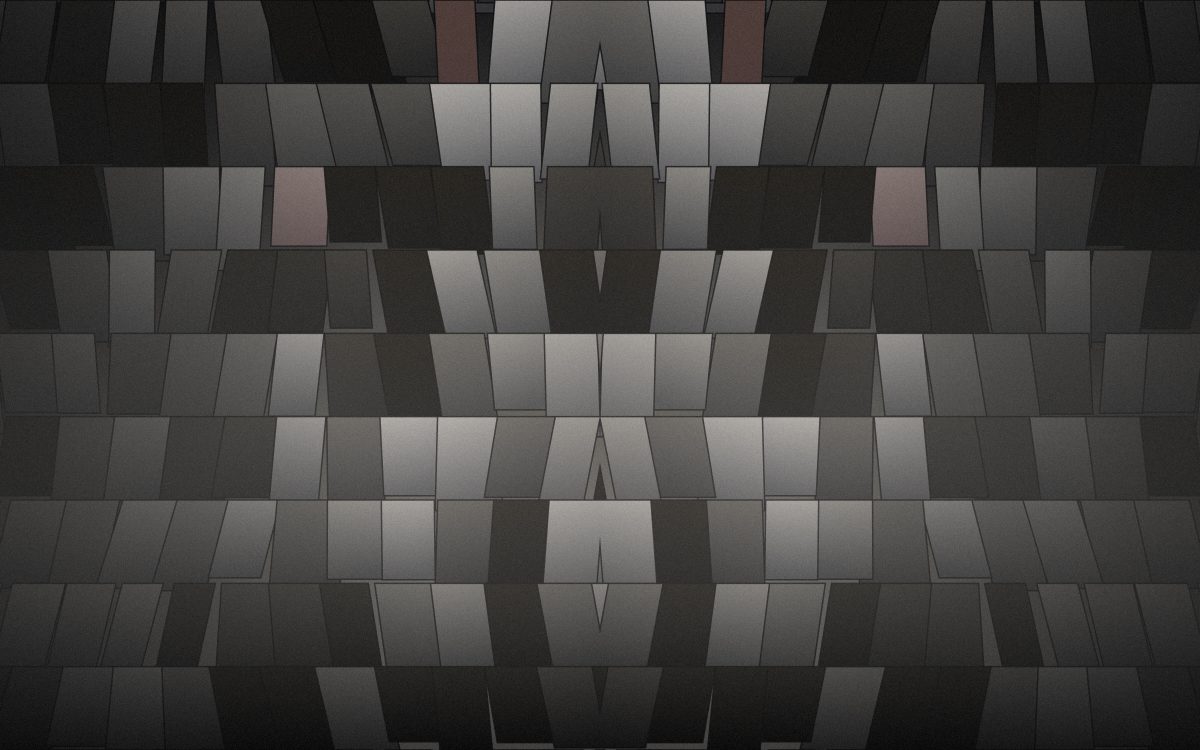
Plate 02 · mirrored shards
Depot Boijmans Van Beuningen is the first art storage you can walk through: 151,000 works on fourteen storeys, none of them hung for you. The museum wanted a guide that did not turn the building into a museum again. We built a web app — no download, no login — that reads the building’s beacons and tells you what is in the rack in front of you, and why it is there.
It shipped in three languages with a depot model you can spin, a “show me something strange” button that is used more than search, and a reading mode for the benches. 212,000 people used it in year one, on average for longer than the guided tour lasts.
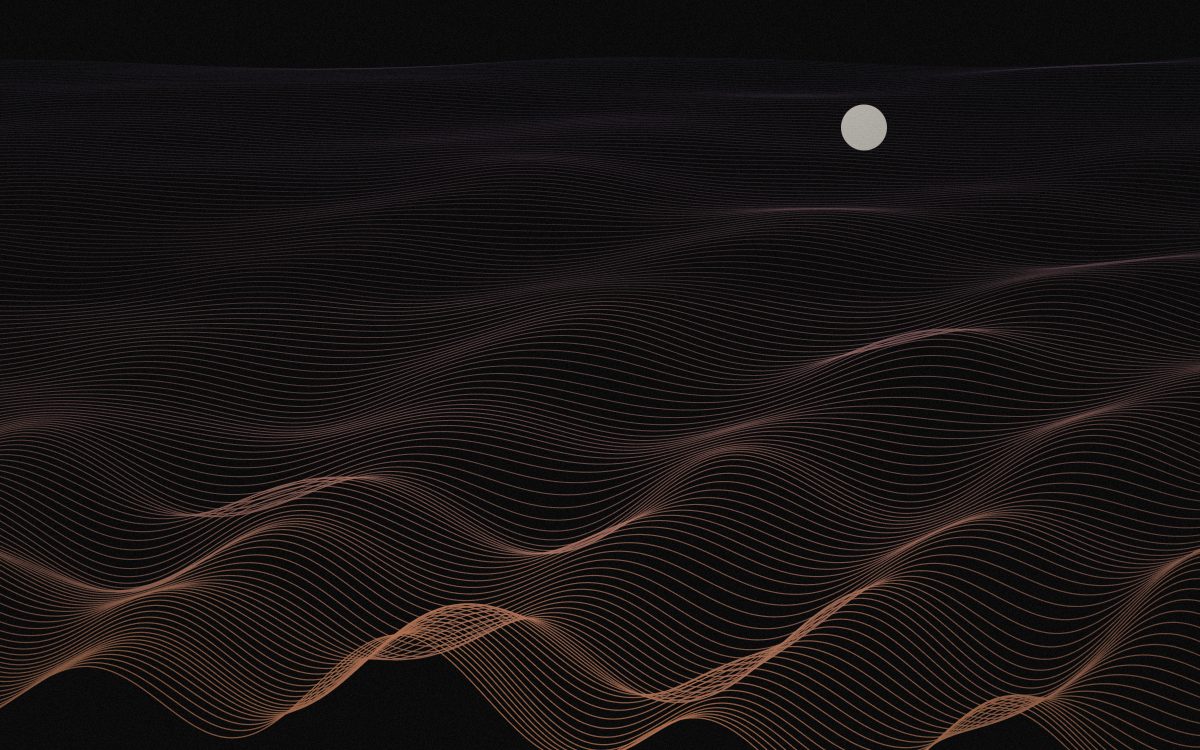
Lowtide wrote their third record on the Maasvlakte at low water, and asked for a site that behaved the same way. It is a tide table you can play: nine tracks laid along a shore, the water line moving with the real measurement at Hoek van Holland, ten minutes fresh. Time it wrong and the song you wanted is under water for six hours.
The label was nervous about a site that hides the music. It went the other way — 1.4 million plays in eight months, an unreasonable number of emails about the tide, and a vinyl sleeve that prints the tide window on the inner label.
Aster & Vane did not want the two-minute delay that turns a runway into a replay. We built the stream on WebRTC with a low-latency HLS fallback, and the site around it as a second row: a look index that fills as the looks walk, the fabrics under a macro lens, the score as stems you can mute one by one.
Peak concurrency was 380,000, glass-to-glass stayed under a second and a half, and the whole thing was run from a basement on Rue du Temple by four people and a producer with a stopwatch. The look index is still the most-visited page on their site.
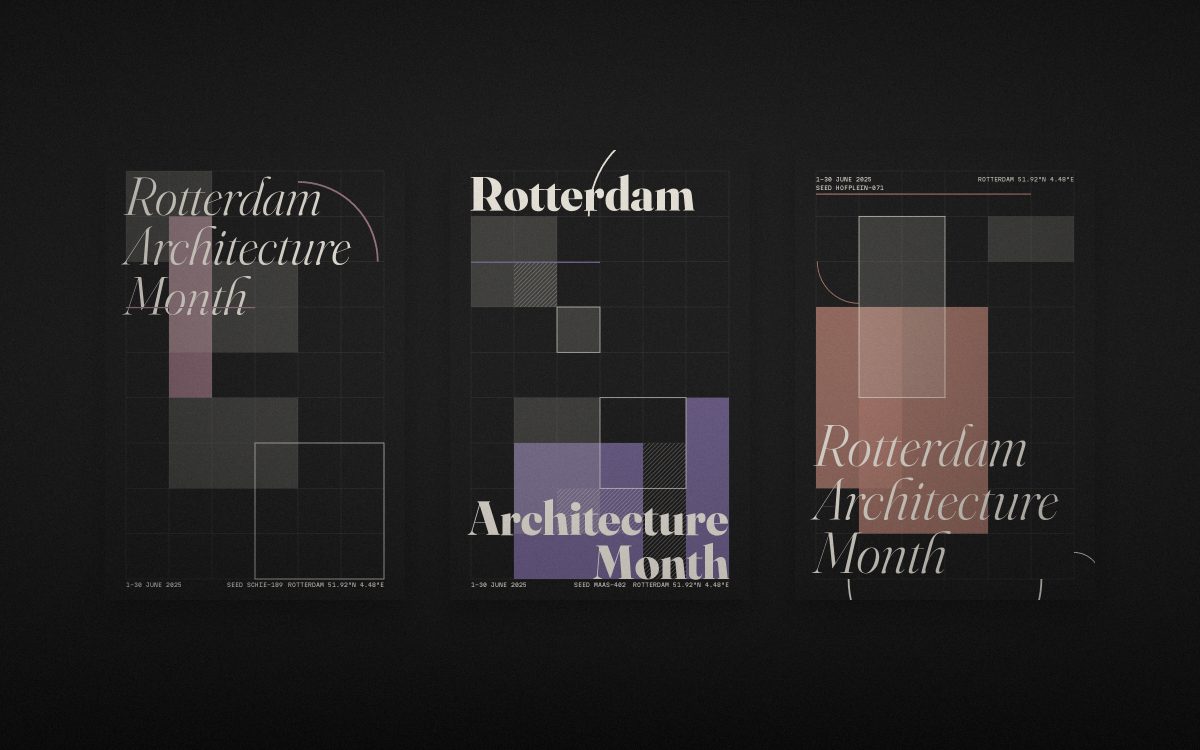
The festival has thirty-one venues and one budget. Instead of a logo we handed them a machine: every poster, ticket, screen and tote is composed from a seed — masses snapped to a grid, one arc, the month set in Fraunces. Same seed, same poster, in any city, forever.
Each venue got its own seed printed on the door. Visitors could type a word and take their poster home as a PNG; 34,000 did. The festival team runs it themselves now, which was the point.
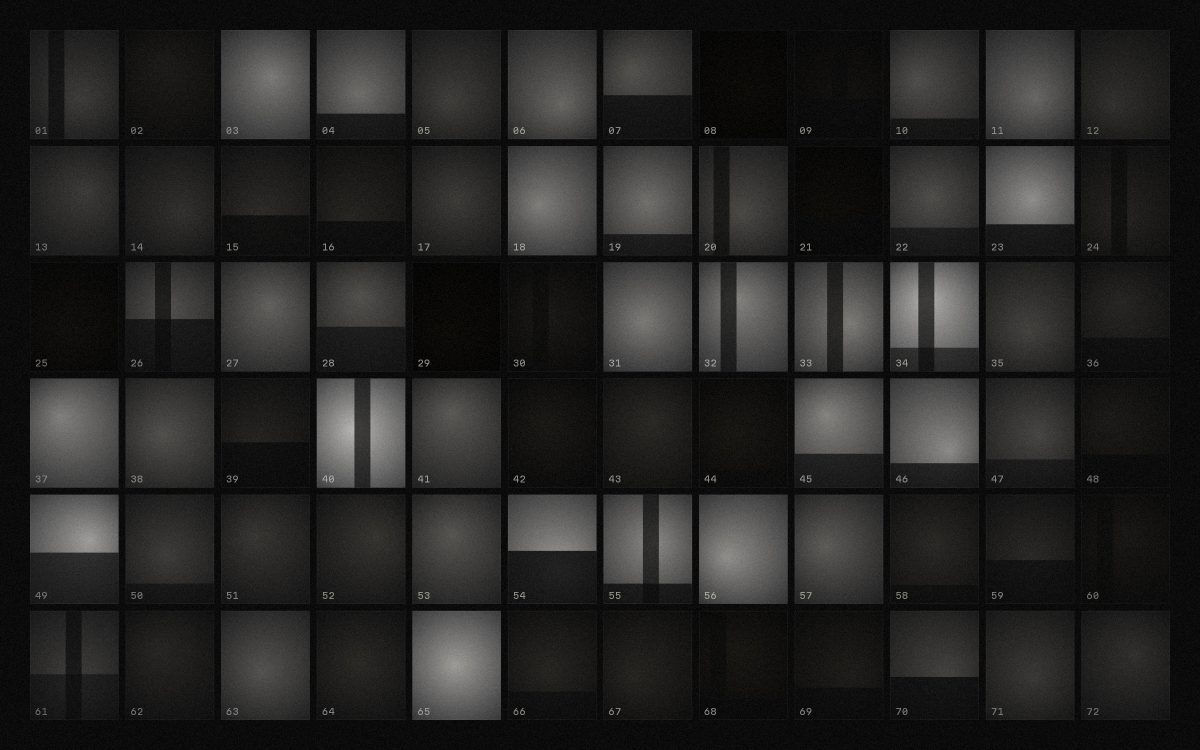
A room of seventy-two blank frames on the Wilhelminakade. Stand in front of one and a print develops over the eleven seconds it once took in a tray; walk on and it fades back to paper. The collection chose the prints: everything the museum holds from the same street, a century apart.
Sixteen depth cameras, four projectors, no screens, no buttons and a written ban on anything that beeps. Six months, 96,000 visitors, and a guard who says the last hour before closing is his favourite shift in the building.
Thirty-six other things, most of them still running.
Ticketing for the Rotterdam Philharmonic, a permanent wayfinding layer at Kunsthal, a decade of festival sites for Motel Mozaïque, and a lot of quiet maintenance. If you want the list, ask for it — we will send the boring version with dates and budgets.